Our responses to today’s emergencies
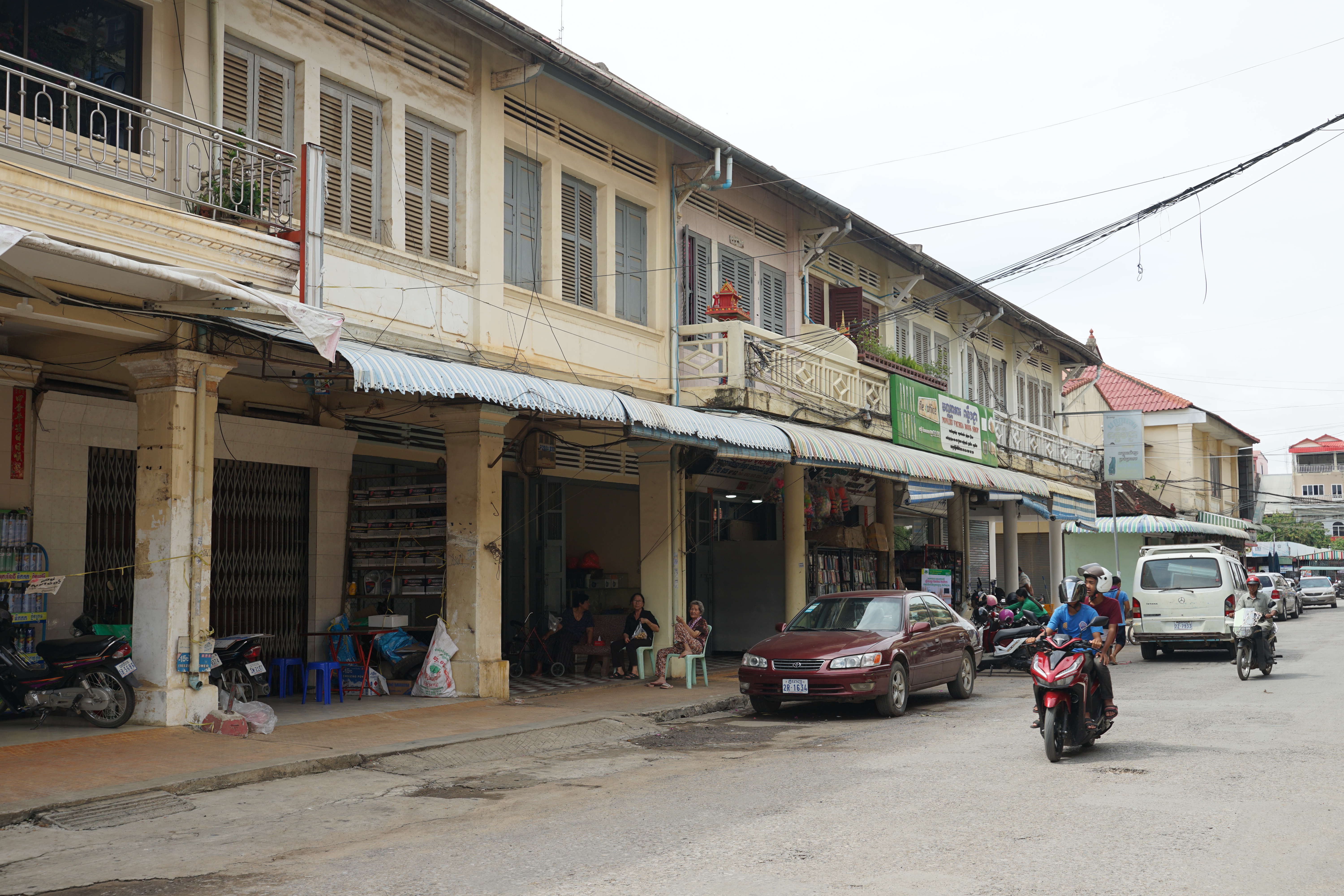
Over the past thirty years, the percentage of people living in poverty fell by half between 2009 and 2019. But today, Cambodia is facing three major, simultaneous shocks that are particularly affecting the most disadvantaged communities: the collapse of the real estate market, the border crisis, and tougher international trade conditions.
Poverty, education, nutrition… Let’s take stock
While more than 2 million people rose above the poverty line between 2009 and 2019, more than 460,000 people fell back below the poverty line in 2020.
An economic situation affected by conflicts
Tourism is one of the four key pillars underpinning Cambodia’s economic resilience and financial stability, but regional and international conflicts could undermine it, as illustrated by the decline observed in 2025.
The tourism, real estate construction, and goods export sectors were particularly hard-hit by the COVID-19 crisis, even though they account for 70% of Cambodia’s economy. They continue to be affected by various conflicts: the border crisis with Thailand, the blockade of the Strait of Hormuz…
In 2025, Cambodia welcomed approximately 5.57 million international tourists, a sharp decline of 16.9% from the record 6.7 million arrivals recorded the previous year.
Progress in access to education, yet still within a fragile system
Access to education varies primarily based on socioeconomic background and the gap between urban and rural areas. While the number of children enrolled in school is increasing, the education system is not always effective.
School infrastructure in disadvantaged neighborhoods and rural areas is inadequate, and many students do not meet the required standards in Khmer and mathematics.
Although the government has eliminated tuition fees, thereby making education free for all children, families continue to face significant indirect costs: uniforms, school supplies, transportation costs, private tutoring, and more. Nearly 35% of people aged 15 or older have not completed primary school or have never attended school.
School dropout remains one of the main problems. Starting at age 13 or 14, students may face family pressure to contribute financially to their household income, or they themselves may no longer wish to continue their education for a variety of reasons.
Rising food prices
According to a 2022 UN report, more than half of Cambodian households were forced to reduce the size of their meals following the pandemic. Even today, with rising inflation and rapidly increasing food prices, thousands of families may no longer be able to eat a balanced diet or get enough to eat.
Current diets are dominated by rice, ultra-processed foods, and sugar, which provide about 80% of daily energy intake, thereby limiting the space available for consuming more nutritious foods rich in micronutrients.
The rate of chronic malnutrition has fallen from 32% to 14% between 2014 and today, but 10% of children under five still suffer from acute malnutrition.
What solutions do we provide through our projects and programs?
Improving access to education
At our campus, we accept 1,000 students aged 11 and older for remedial education, but only if they are at least three years behind in the curriculum appropriate for their age.
Image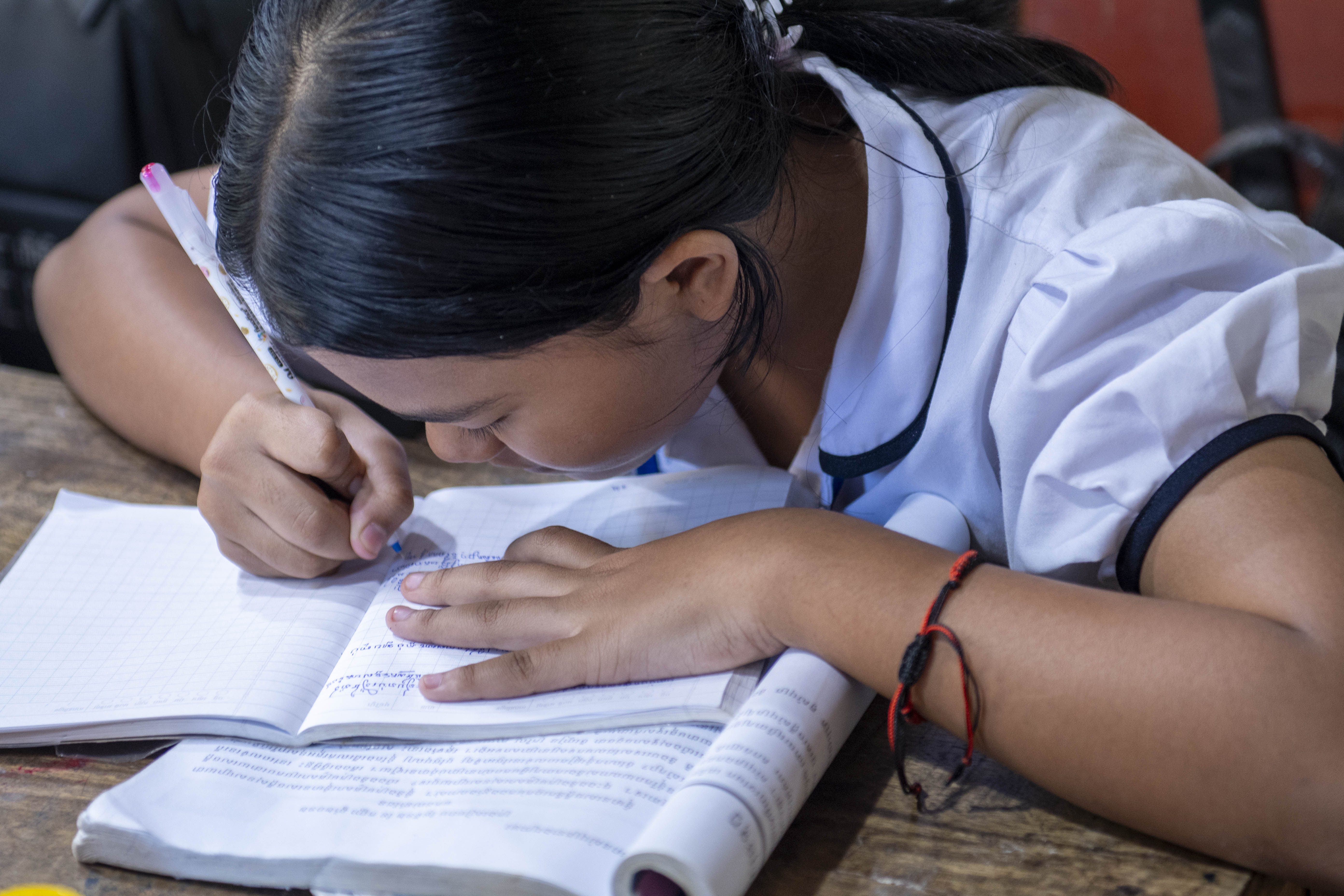
If that is not the case, we cover the cost of their education in public schools. This applies to 4,000 students, 300 of whom also receive academic support at PSE.
Help students find skilled employment
After completing 9th grade (the equivalent of the Brevet), students can enroll in our vocational training institute or continue their education at a public high school and then on to college with PSE funding.
The PSE Institute was recognized by the Royal Government of Cambodia by decree on March 25, 2011, and offers a curriculum consisting of approximately 30% theory and 70% practical training, including a 3-month internship. Largely practice-based, our programs enable students to gain qualifications and prepare for employment.
The diplomas awarded range from the “Technical Vocational Diploma” to the “Higher Diploma” (BTS level) in the following fields: hospitality and tourism, film, management and sales, mechanics, and construction.
Image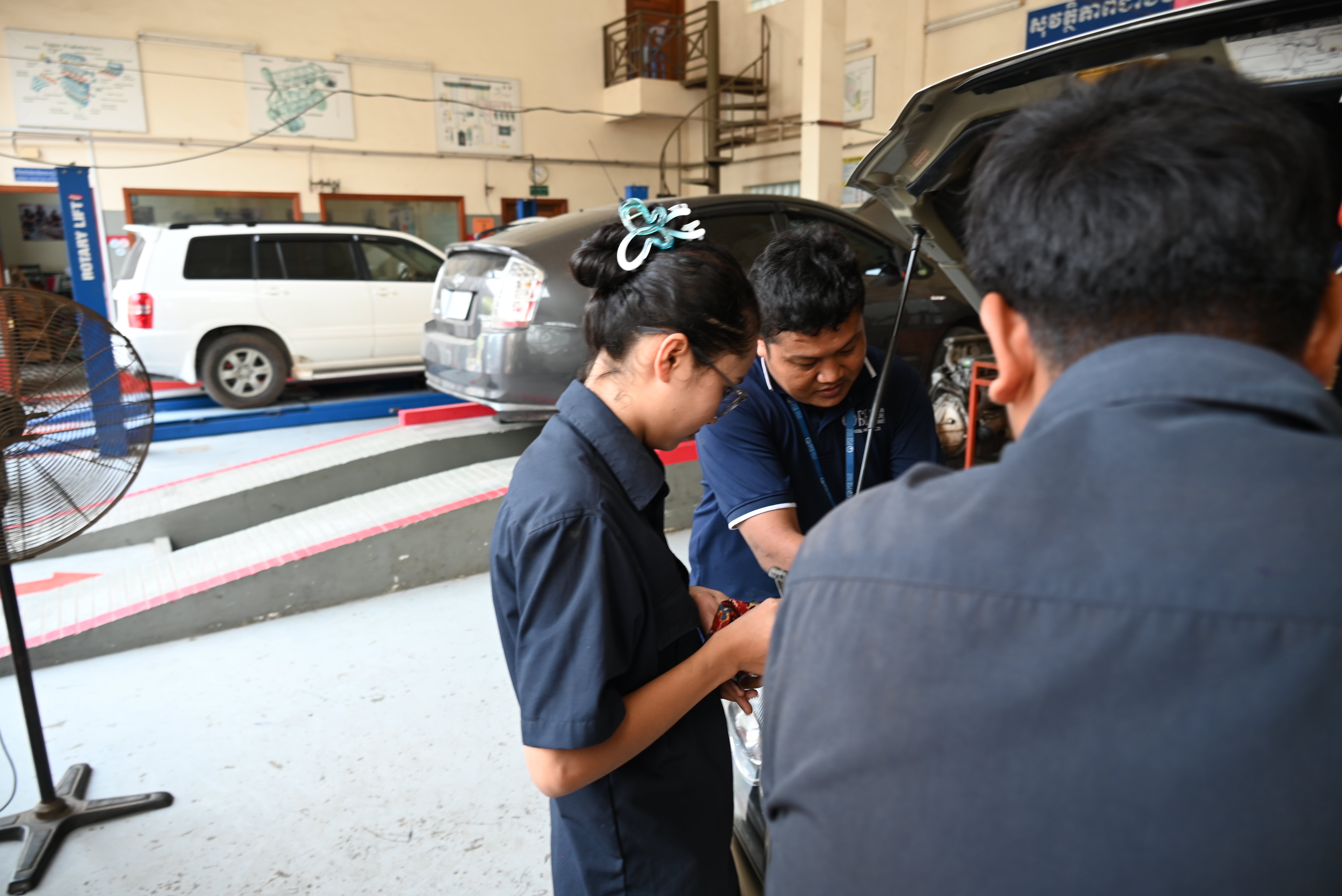
To know more about our vocational training, read our article.
Provide access to a complete and balanced diet
At PSE’s main campus, more than 6,000 meals are prepared daily in the cafeteria for approximately 3,500 people.
In 2025, the cafeteria facilities were renovated to modernize and reorganize the workspaces, with the goal of improving operational efficiency and sanitary conditions during the preparation and distribution of meals to children, while upholding the association’s environmental commitment.
Discover our article about this renovation.
An approach rooted in empowering families
PSE aims to empower the 3,500 families it supports—not to “rescue” them, but to give them the tools they need, within the limits of what we can provide.
To understand the work of our social department, read our article.
The most disadvantaged families live on less than $1.90 per person per day. Every month, we distribute 25 tons of rice to approximately 1,000 families with this level of income.
Image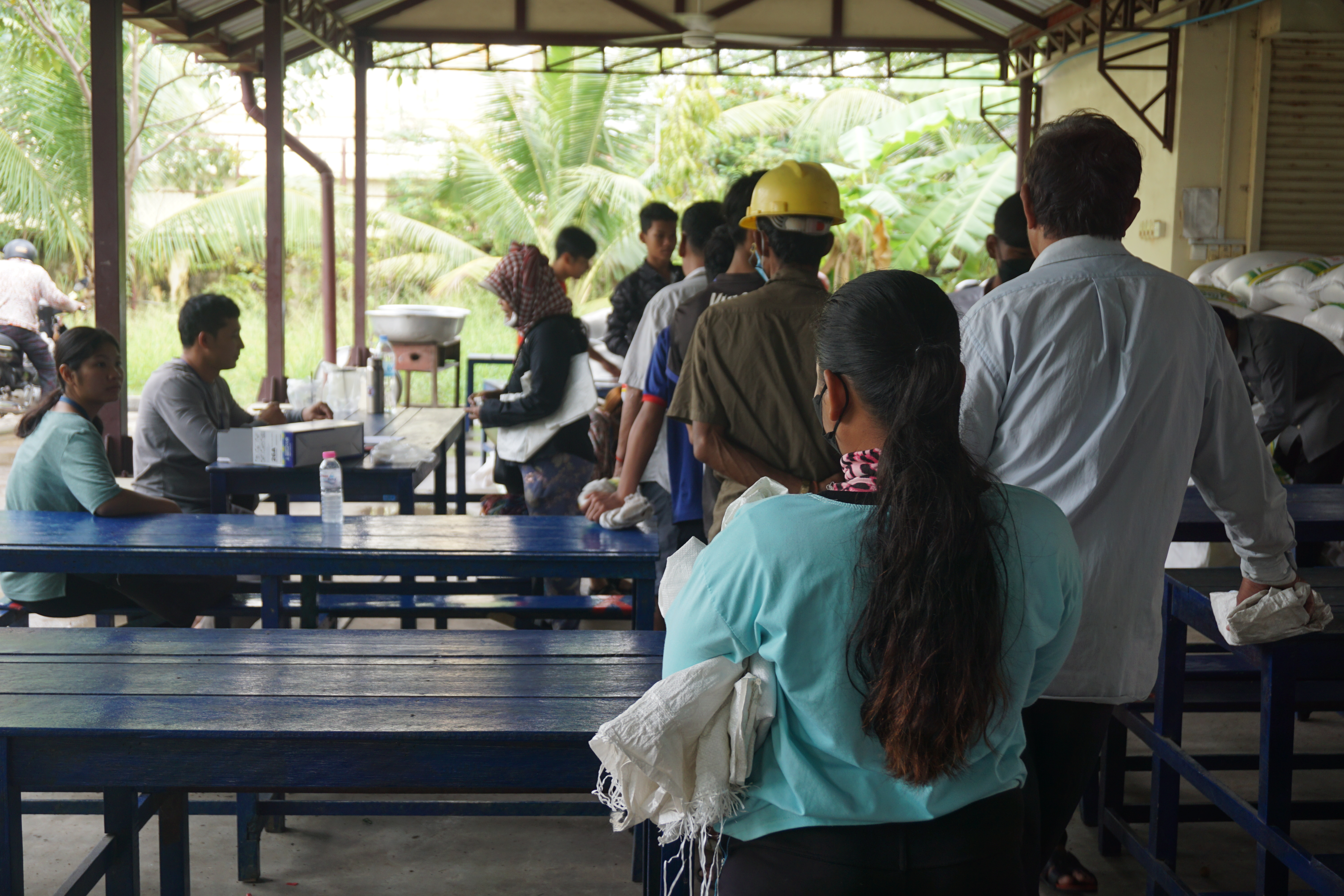
Our initiatives are accompanied by programs that provide a comprehensive response to each family’s situation:
- Protection and housing: Some children who live too far away or are not safe in their families are housed on the PSE campus or with foster families identified by our organization.
- Medical care: Our medical department provides up to 150 consultations per day for beneficiaries and their families.
Know more on our article.
- Emergency assistance in times of crisis: housing assistance, temporary social jobs, etc.
- Summer camps during school breaks to ensure educational continuity and prevent students from dropping out.
This year, PSE is celebrating 30 years of service! Thirty years of fighting for education, thirty years of working WITH families, adapting to their needs, and evolving—but also thirty years of challenges: persistent poverty, an educational crisis, a health crisis...
Thanks to your support and commitment, PSE has grown from two hopeful individuals to 600 employees, 8,500 donors and sponsors, 24 volunteer centers, and 140 partner companies!
Image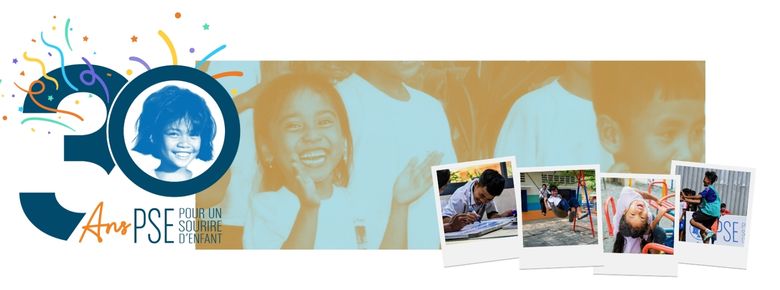
Sources
- Word Bank, “Cambodia Poverty Assessment” 2022
- UNICEF Report, “Determinants of Student Retention in Cambodian General Education”, August 2025
- International Monetary Fund, Press Release No. 25/287, September 2025
- National Institute of Statistics, “Thematic Report on Literacy and Education Attainment in Cambodia”, April 2022
- World Food program, “Sustainable Healthy Diets in Cambodia: Evidence for Transforming Food Systems Executive Summary” July 2025
- UNICEF, “Delivering essential nutrition services through community action in Cambodia”, December 2023