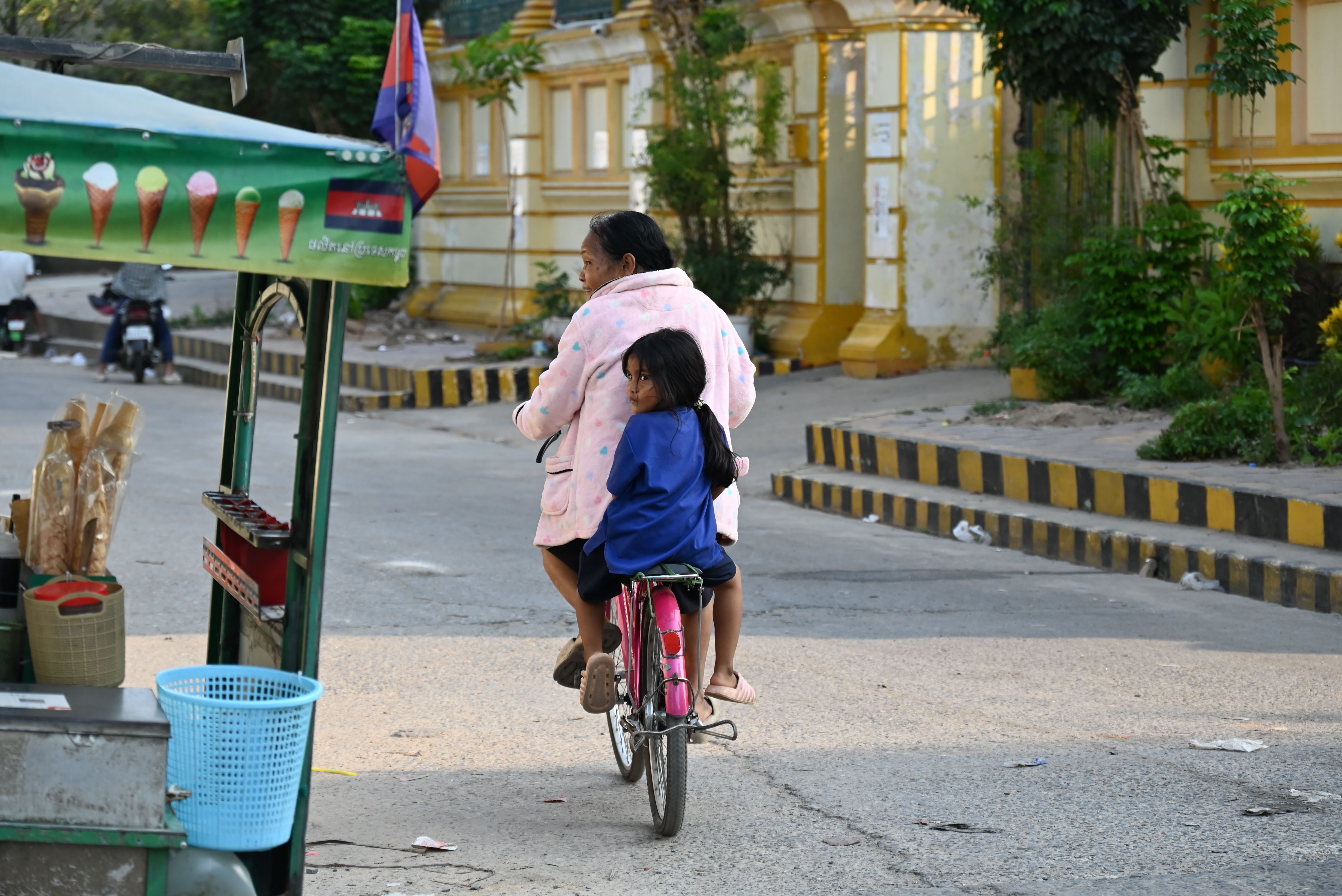
Leading families to autonomy
What does autonomy mean ?
Regarding the families we support, being autonomous means for them to know about their rights and responsibilities, being aware of their actual needs, identifying their strengths, and what are the resources that are already accessible to them.
The reach it, the role of our social team is to explain, and convince the families to use what they can get as their rights, and to support what they cannot get, through our programs.
Always keeping updated with each family situation
Once a year, our social team visits each family, in order to follow-up the economical and social difficulties, and adapt our programs to match the needs, in case of improvement, or deterioration.
Image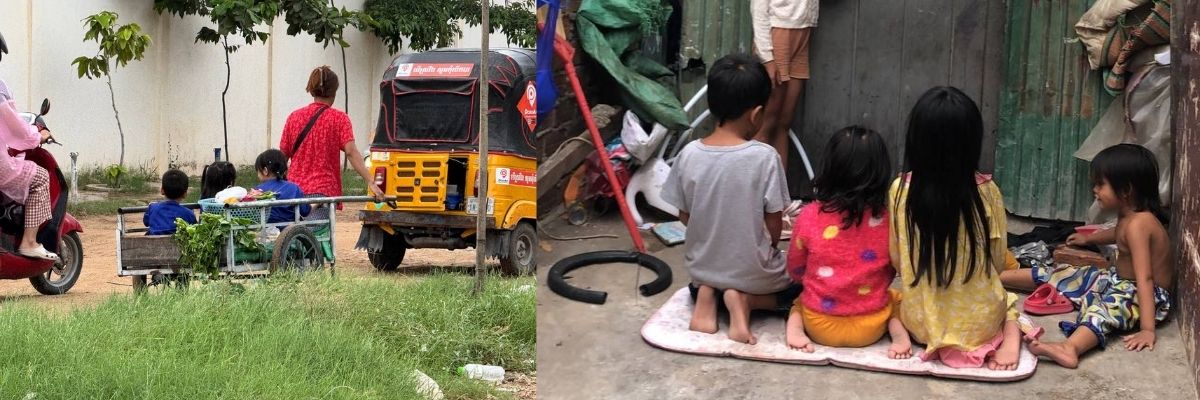
The goal of these visits is to keep up on their situation, but also to listen to them. Indeed, some families devalue themselves, and think they are weak because they are poor. That’s why our role is to help families reflect on their own strengths, recognize the capacities they already have, and accept their own potential to move forward to autonomy, support the fear of change, and provide the adapted programs.
This new approach leading to families’ autonomy is a pilot program, with key objectives.
For this first year, our social team focuses on three key actions to achieve with the beneficiaries before moving to deeper goals :
- Ensure that our families better understand PSE support and programs
- Ensure that families in highly vulnerable situations are able to access and integrate into Cambodia’s national social protection systems, particularly the IDPoor program, with a special focus on beneficiaries currently supported through PSE’s healthcare program as a priority.
- Have the families be responsible for reporting their children's attendance and their monthly, semester, and yearly academic results to the Social Team, enabling challenges or difficulties to be identified and addressed in a timely manner.
Healthcare access : a major challenge for PSE
Regarding healthcare, the government provides an IdPoor, to access to public healthcare at low fare for disadvantaged families.
But some eligible families have trouble finding all the right documents, and submitting the request. PSE stands here to provide the families the guidelines of the document preparation for the assessment. Our healthcare center on our campus is also a solution provided for those who can’t access IdPoor, and are on the lowest level of poverty, regarding our criteria.
Image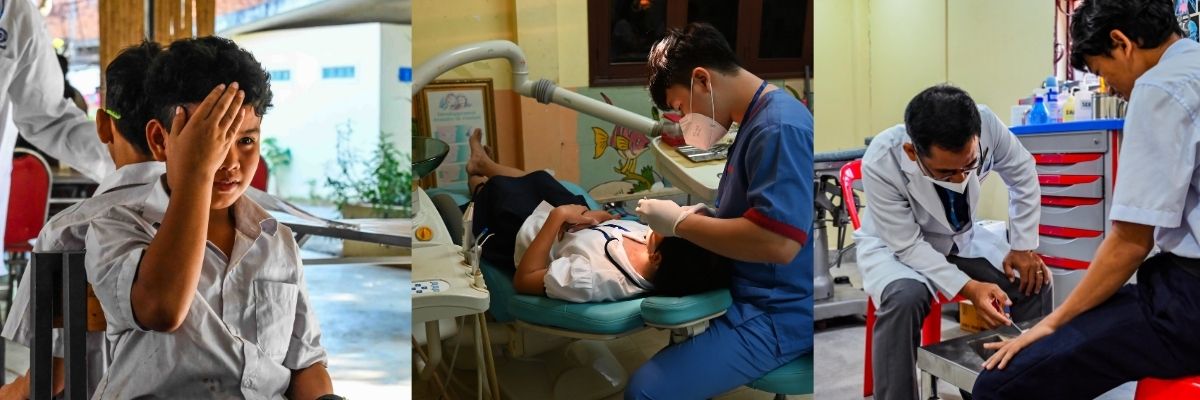
Indeed, when beneficiaries face health problems, accessing public healthcare services is a more sustainable long-term solution that they can continue to benefit from independently. At PSE, we believe that what already exists makes no sense to be duplicated, but can be a temporary solution when needed.
Discover our healthcare program on our latest article: https://www.pse.ngo/humanitarian-association/every-consultation-every-treatment-step-brighter-future-0
The importance of family engagement
When joining PSE, each family is encouraged and engaged into the parenting journey, and are asked to follow up their children’s education.
Before each recruitment, families are invited on the campus to discover the school environment where their children will spend much of their daily lives, and to deeply understand how it works.
The goal is to have the parents involved too, not only the children. Newly recruited families never had direct contact with PSE before, and only know our NGO through others, or recruitment announcements. That's why visiting our campus to see the reality of our programs is a mandatory step to become a beneficiary, and is really important to have the parents on board to build understanding, trust, and strong parental engagement from the beginning.
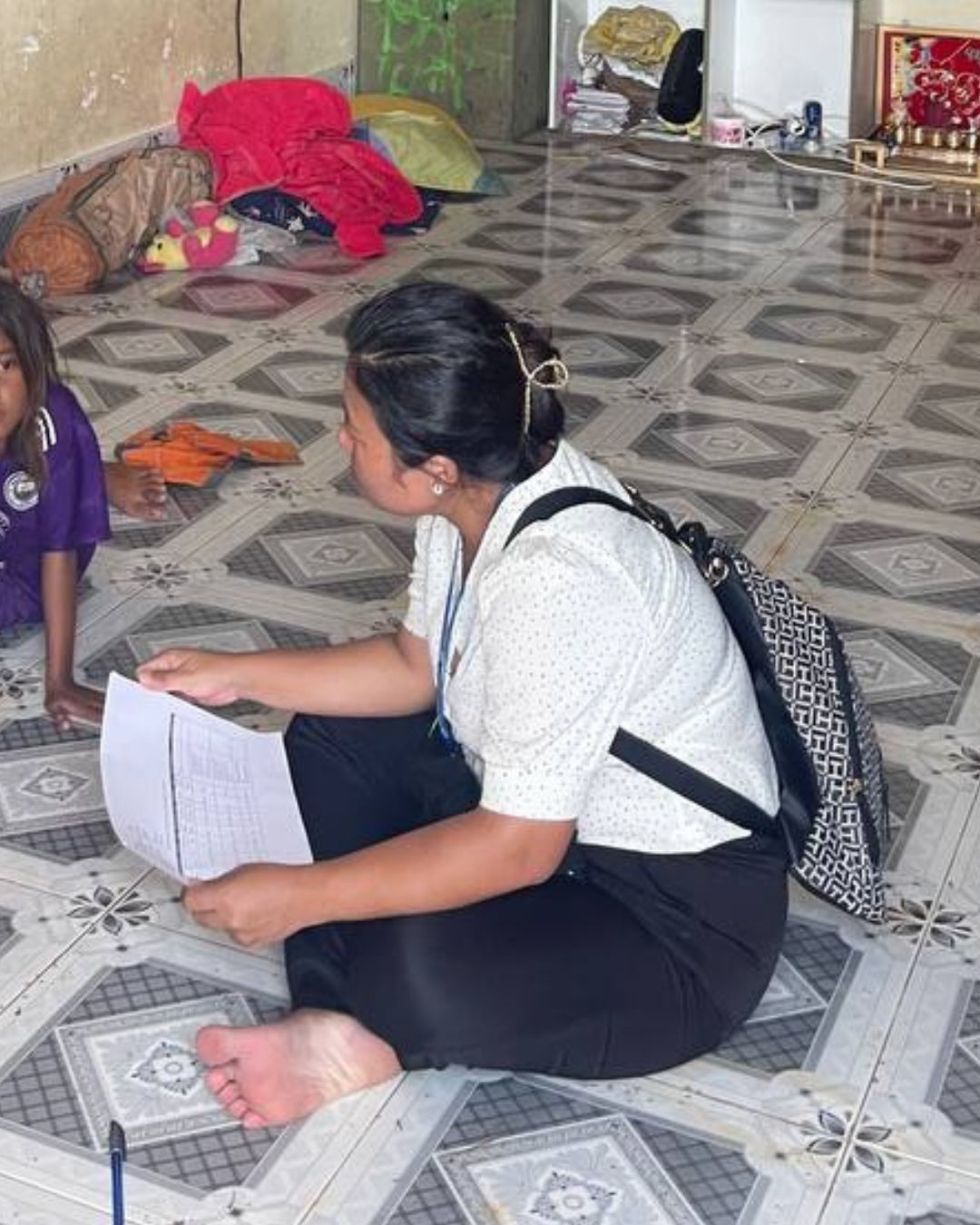
“We want to make sure that they understand our vision, and what we try to do to help them.” Sinoun, Social Operations Manager
Focusing on the children global situation instead of education only
At PSE, we have all the children of each family recruited as beneficiaries, not just only one child among the siblings. Why? Because they are on the same situation.
If PSE provides only one child education, the whole family is not actually and efficiently supported, and deciding which child deserves to be schooled or not doesn’t match PSE philosophy.
To match each family reality and needs, we have a lot of different programs that we can deploy. Our social team purpose is really to analyze the very specific needs to adapt.
Image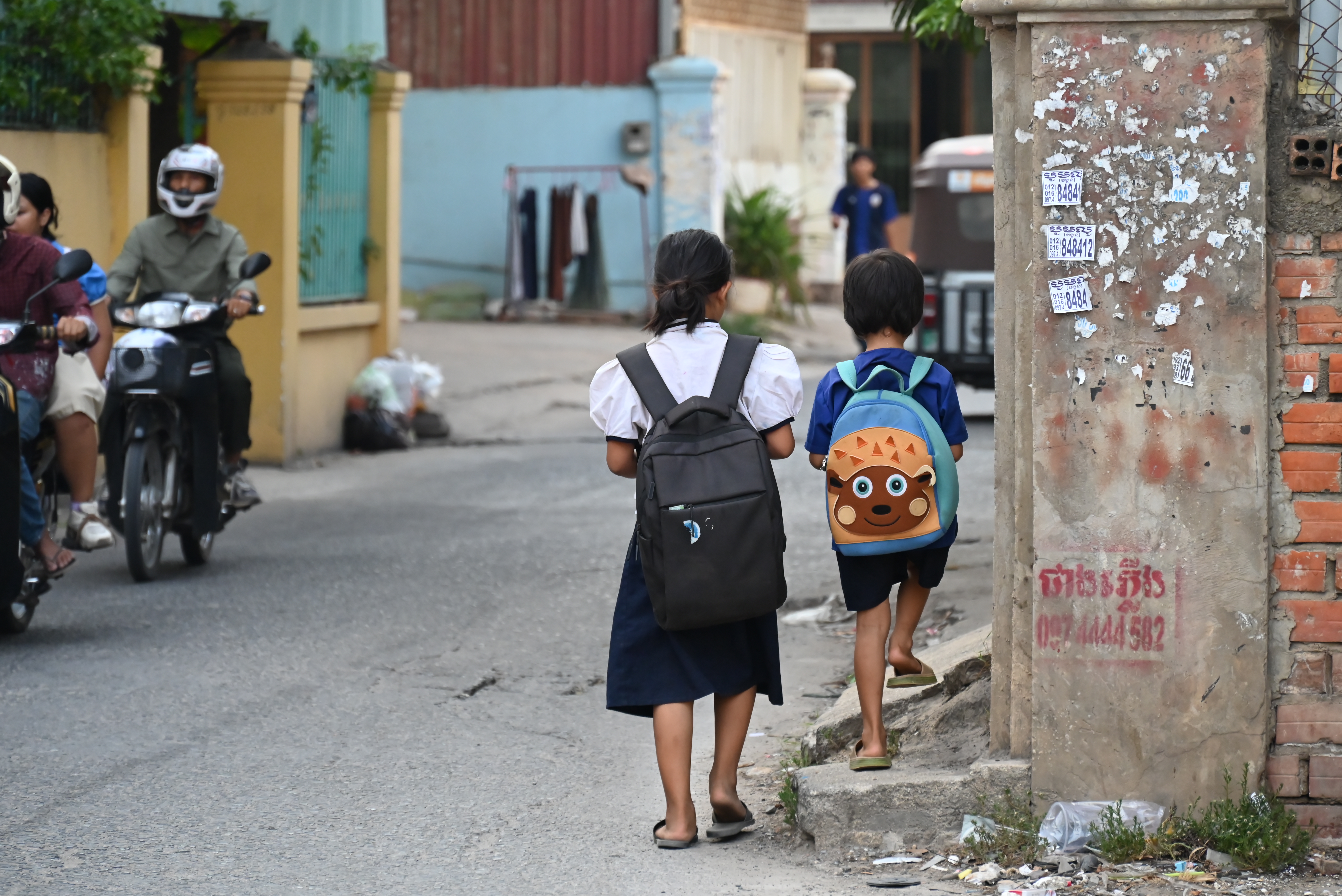
For example, if a student is experiencing violence at home, and with the agreement of the authorities, they may be placed in safe accommodation on PSE’s campus when no other solution is available, to ensure their safety and protection.
The story of Sokly, Sreyneang and Mengheng
Sokly, Sreyneang and Mengheng are siblings. Their family has been partially supported by PSE for more than 10 years now. Their mother worked in a garment factory and their father was a police officer; however, their combined income was not sufficient to cover their children’s education, daily meals, and existing debts.
The parents had a difficult relationship and showed limited involvement in their children’s education. Their living conditions were very poor, with a damaged and unclean house built from wood and palm leaves. The surrounding environment was also highly vulnerable, with issues such as gambling, school dropouts among youth, and drug use in the community.
Today, Sreyneang graduated from PSE’s Film School and secured a stable salary to support her parents and siblings. The family was able to build a large house with 11 rental rooms, generating additional income, and their total household income is now above 1,000 USD per month.
Image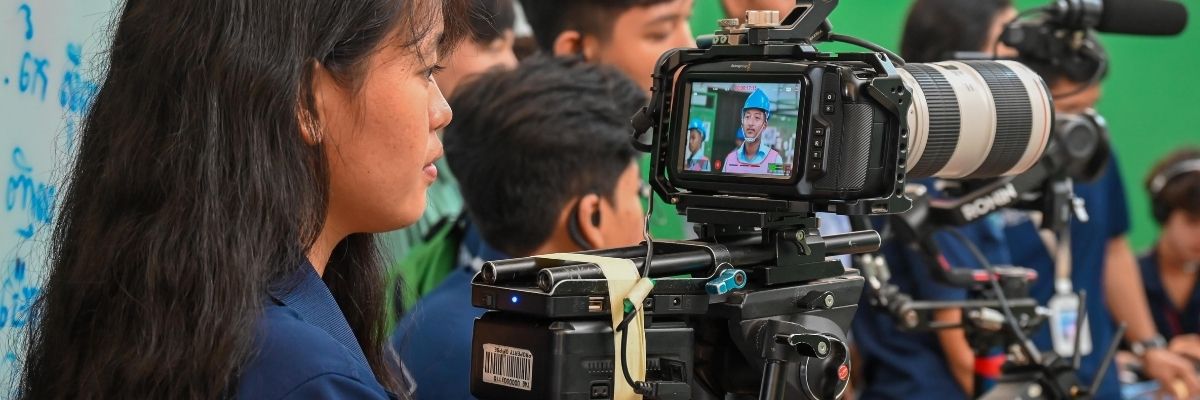
The parents now maintain a good relationship with their children and strongly support their education. Today, two children are still studying in PSE programs in School of Construction and remedial class. The parents also contribute to their scholarship in PSE, with around 40 USD per month.
Eventually, at each step of our support process, it’s never about deciding for the family, but advising and trying to find emergency or long term solutions to lead to autonomy.