From Daycare to Early Years Education
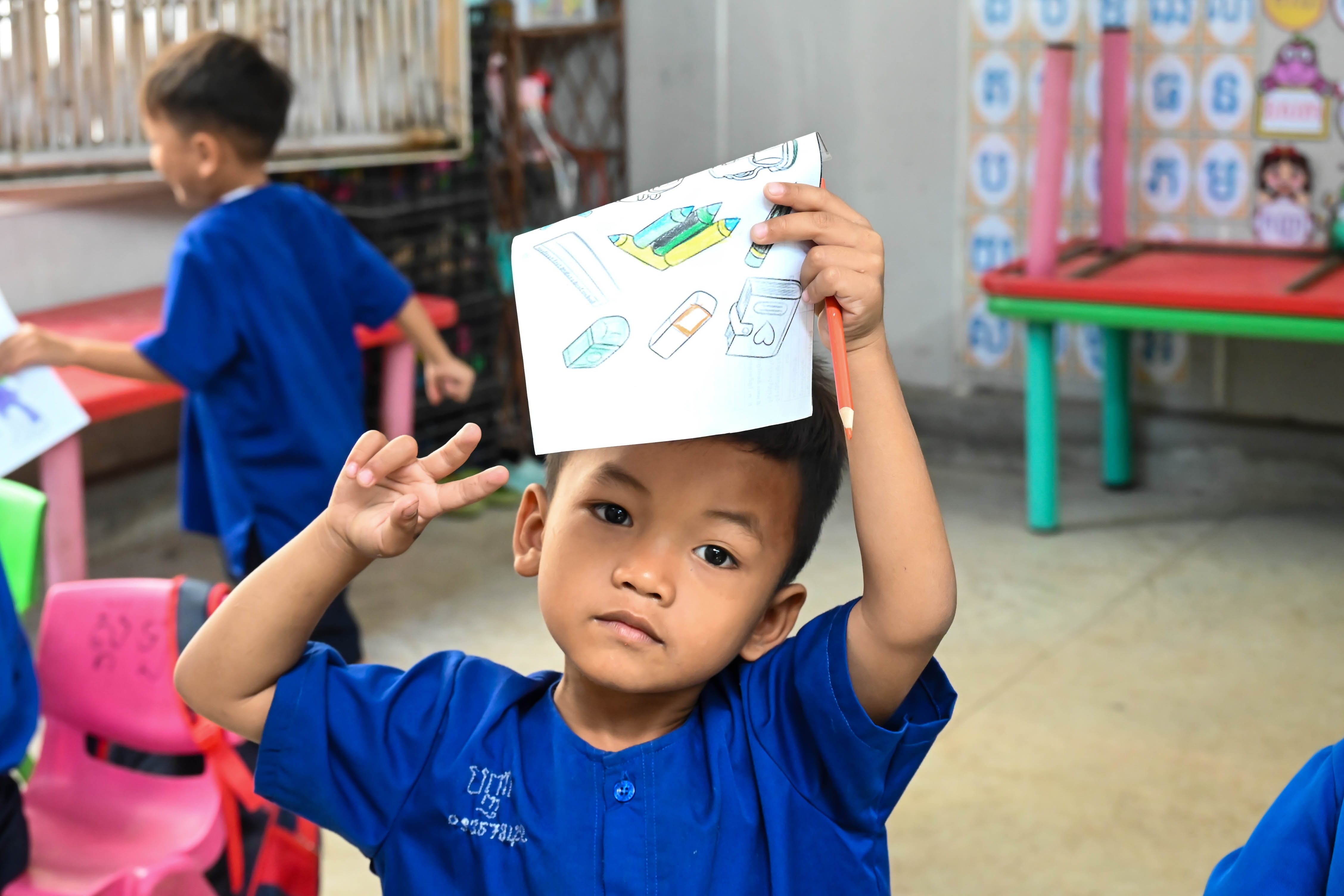
PSE's first Community Service Center (CSC) opened in 1999 to provide a safe place for young children while their parents worked.
At the time, many families living in PSE's target communities faced extreme poverty. Parents worked long hours as construction workers, garbage collectors, street vendors, or in other low-income jobs. For many households, finding childcare was impossible. Young children were often left in unsafe environments, while older siblings missed school because they had to stay home and care for them.
"The first CSC was created to support families who needed a safe place for their children during the day," explains Reaksmey, CSC Manager. "Parents could go to work knowing their children were safe, fed, and cared for. We wanted these families to be able to make it and improve their living standards."
More than twenty-five years later, CSC plays a vital role in preparing vulnerable children for a successful start in school and in life. Today, CSC offers kindergarten education for children aged three to five, helping them develop the academic, social, and emotional skills needed for primary school.
"We saw that children were eager to learn," says Reaksmey. "So we developed a more structured program with clear learning objectives and teaching methods." The CSC now promotes four key development areas: physical; cognitive; psychomotor; and social and emotional development.
A Day Filled with Learning and Play
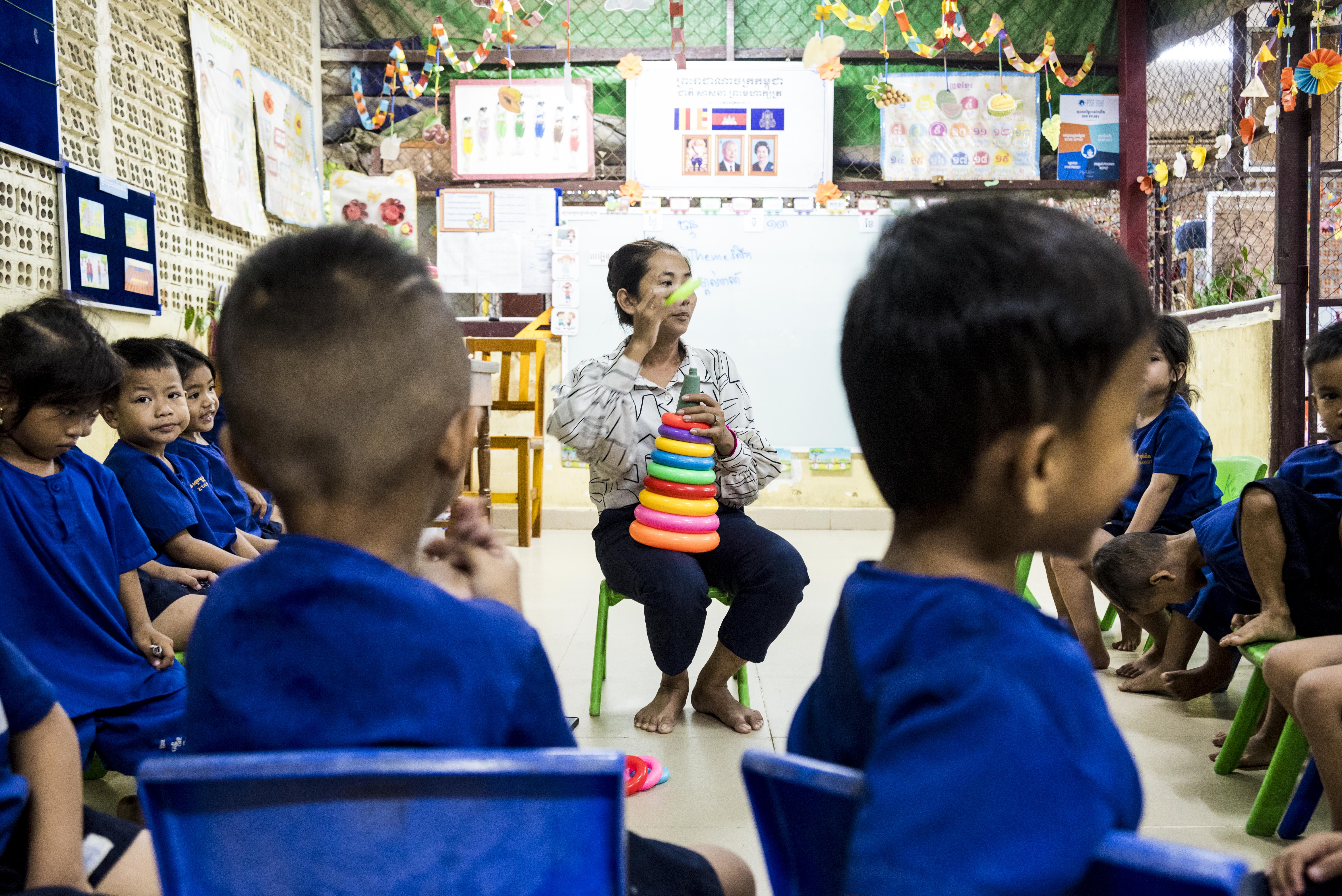
A typical day at CSC begins before 7 a.m. Children arrive early, enjoy breakfast together, and participate in morning assembly and physical exercise before starting classroom activities.
Throughout the day, children participate in storytelling, early literacy activities, and language games that help them recognize letters, build vocabulary, and develop confidence communicating in Khmer. Numeracy lessons introduce counting, number recognition, simple addition and subtraction, shapes, sizes, and basic measurement through hands-on activities.
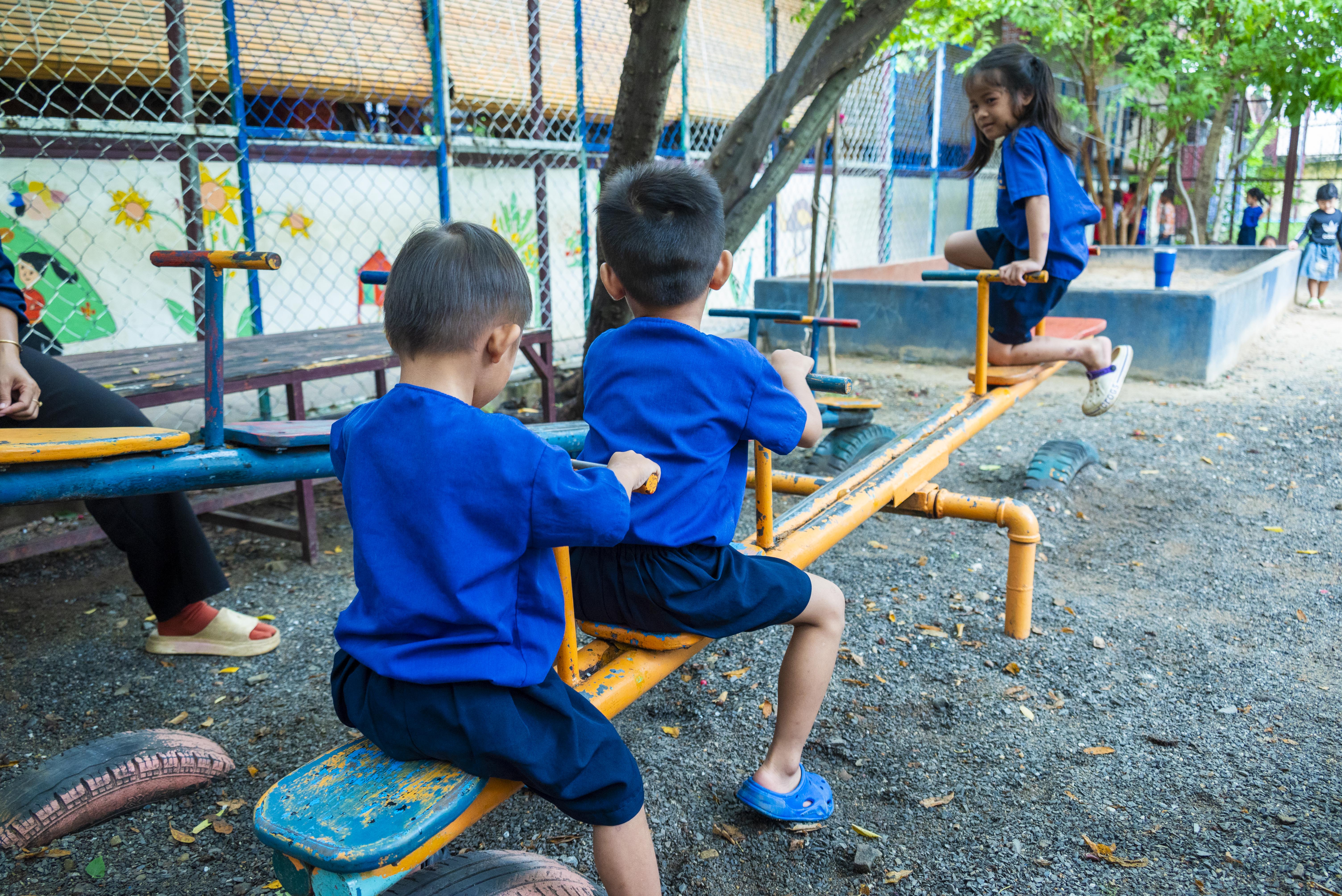
The program also includes lunch, rest time, and outdoor activities, creating a balanced environment where children can learn, play, and grow.
In recent years, CSC has strengthened its use of play-based learning. Rather than relying solely on traditional instruction, teachers encourage children to explore, collaborate, and discover through hands-on activities.
"We believe young children learn best through play," Reaksmey explains. "When children are actively engaged, they become more confident, independent, and motivated to learn."
Building Skills for Life
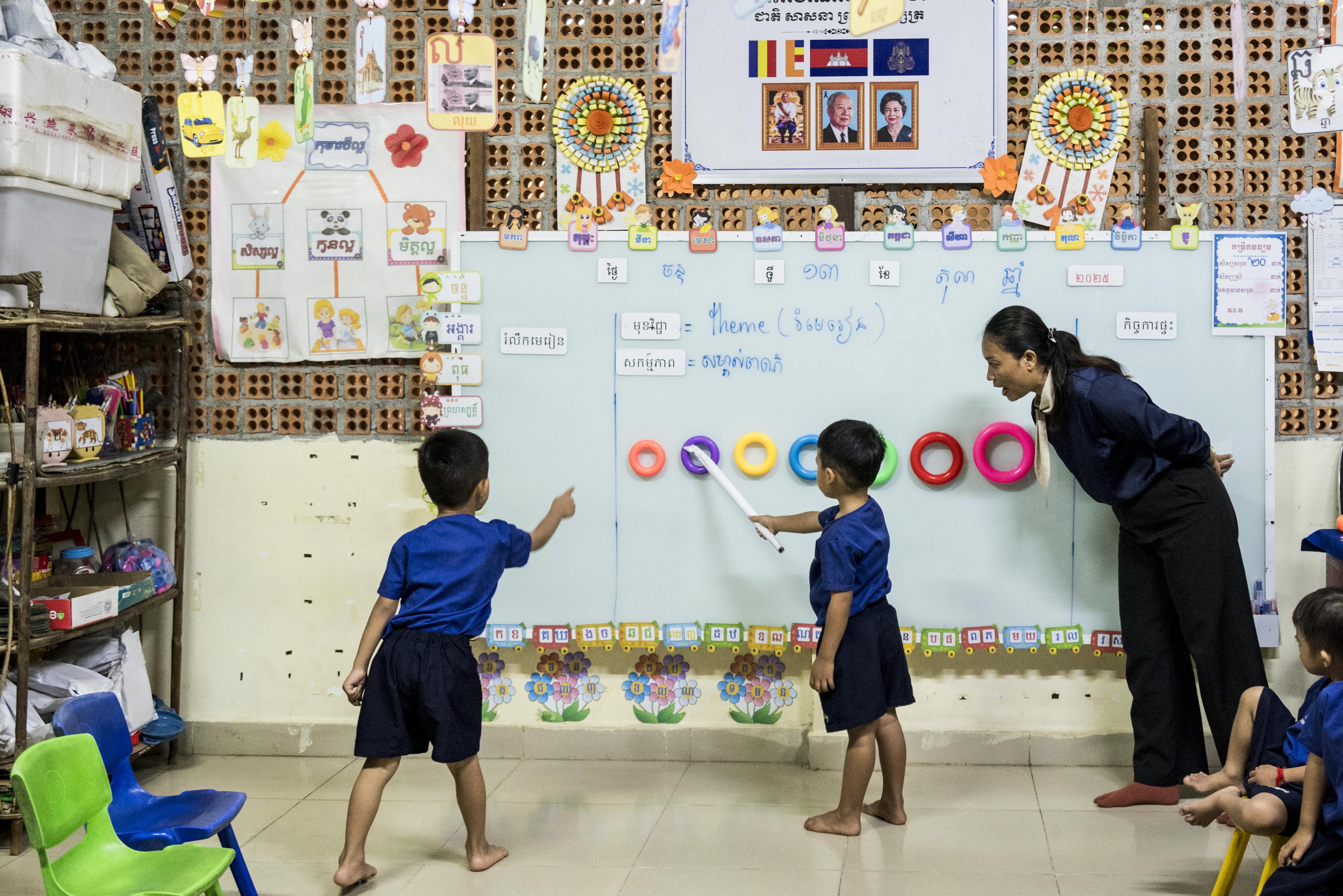
While academic preparation is important, CSC focuses equally on developing life skills that many children have never had the opportunity to learn.
Teachers help children develop healthy habits and routines, including: washing hands before meals, cleaning up after themselves, following schedules and routines, respecting others, working cooperatively with classmates, practicing kindness and responsibility.
These lessons often extend beyond the classroom.
"Parents frequently tell us that their children start helping at home, cleaning their spaces, and becoming more independent," says Reaksmey. "Those are changes that make families proud."
When the program first began, many parents had limited access to education themselves and were unfamiliar with the role early childhood education could play in their children's development.
According to Reaksmey, around 80 to 90 percent of parents are now actively engaged in their children's education—a remarkable transformation compared to the program's early years.
Preparing Children for School Success
One of the clearest signs of CSC's impact can be seen when children enter primary school.
After spending up to three years in kindergarten, children arrive in Grade 1 already familiar with classroom routines, learning environments, and social expectations. They know how to interact with teachers, work with classmates, and participate in structured learning activities.
As a result, CSC students often transition more smoothly into primary education and demonstrate stronger readiness than peers who have not attended kindergarten.
"Our children are confident when they enter Grade 1," says Reaksmey. "They are not afraid of school because they already understand what learning looks like."
As Cambodia's education landscape evolves, CSC continues to adapt.
With more public schools now offering kindergarten programs, PSE is exploring ways to strengthen collaboration with the public education system while ensuring vulnerable children continue to receive the support they need.
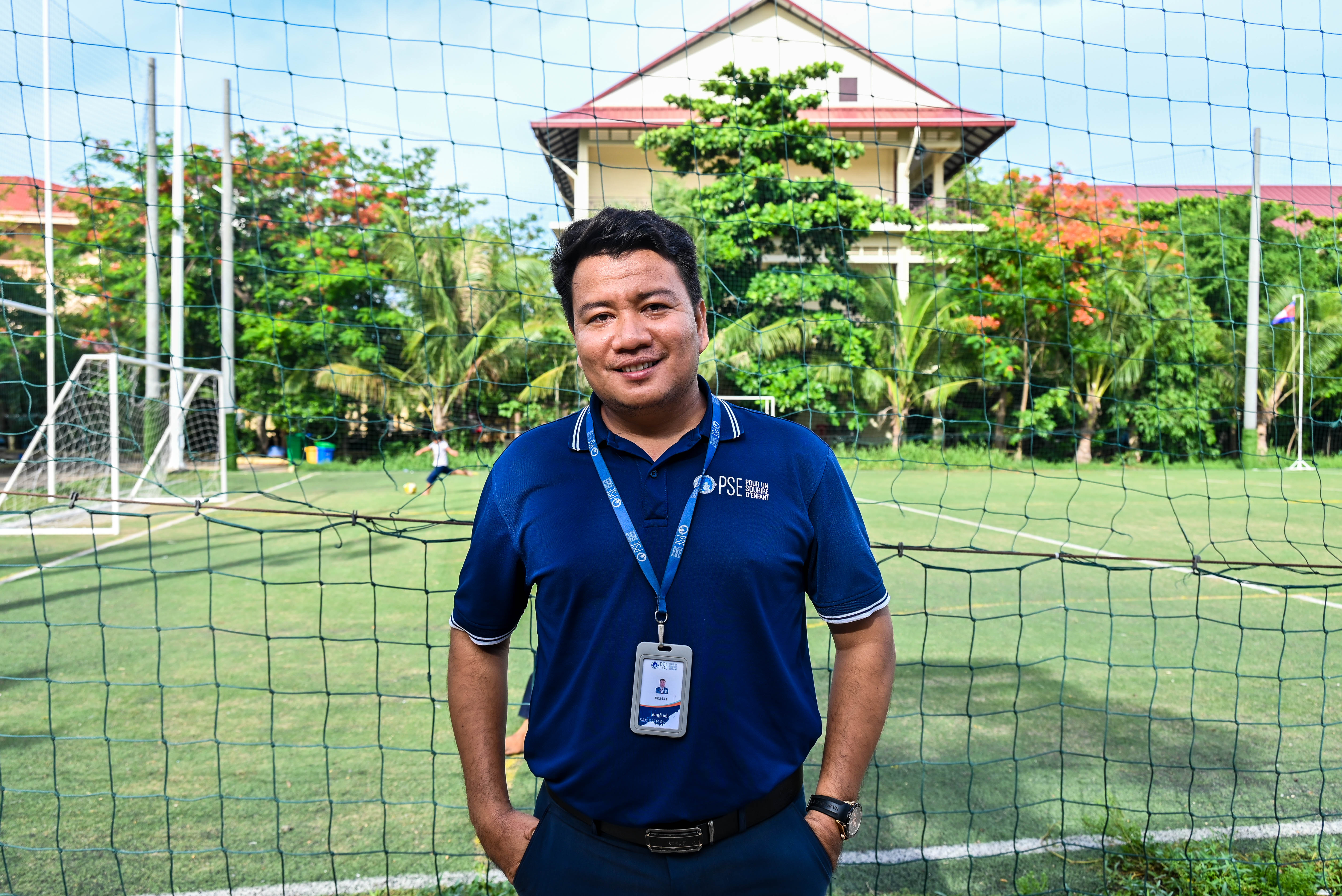
A Personal Commitment
For Reaksmey, this work is deeply personal.
Having grown up in a poor family in rural Cambodia, he understands firsthand the challenges many CSC families face.
"I was one of those children who needed support," he reflects. "Today, I have the opportunity to provide that support to others."
Every day, he sees children arrive at CSC shy and uncertain, then leave more confident, capable, and prepared for the future.
"When I see children learning, growing, and becoming confident, it reminds me why this work matters."