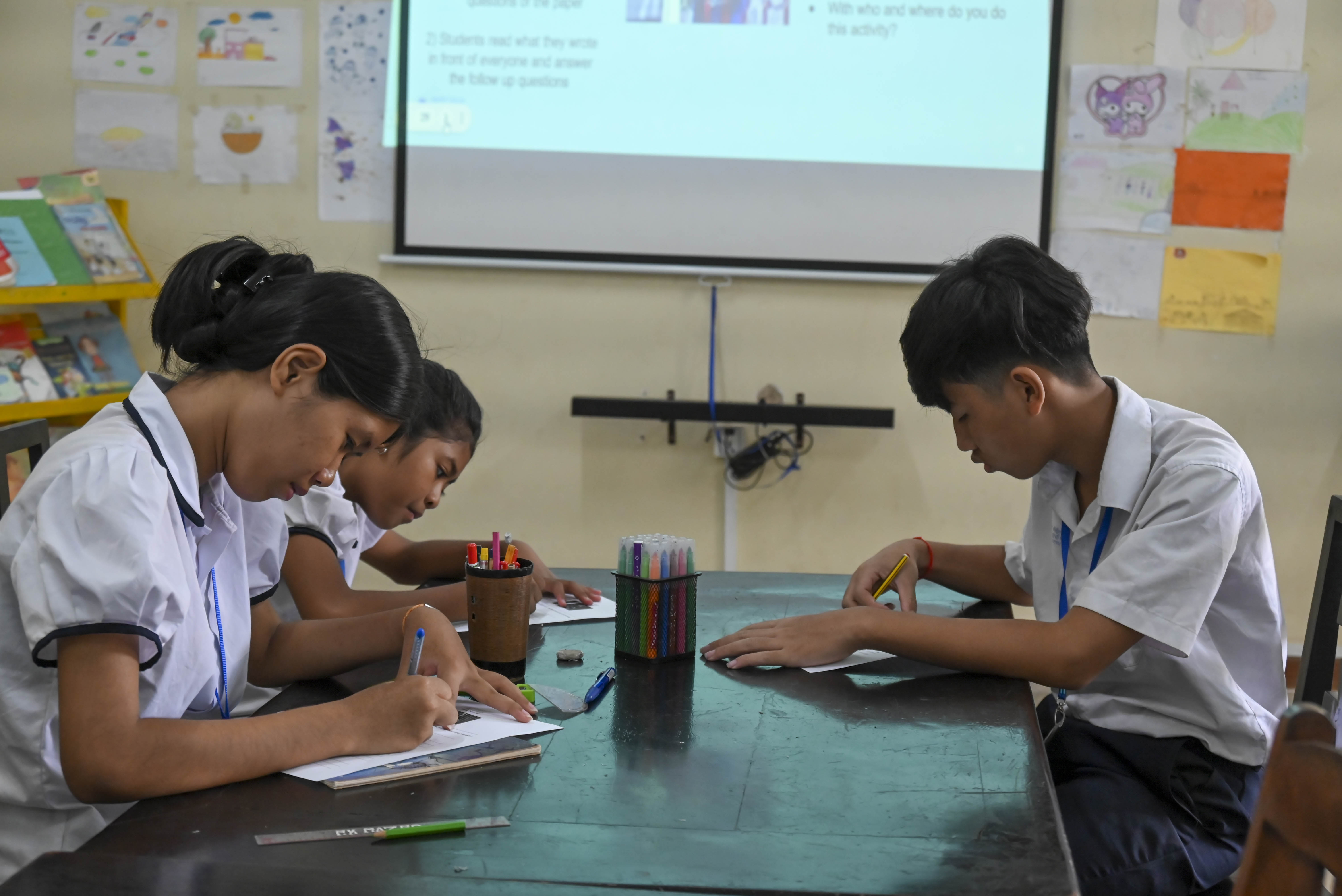
Making school a safe place for all
Don’t leave behind those who struggle
Entre-Deux was created in response to the challenge of reducing school dropout, after recognizing that many PSE students were leaving school at some point in their educational journey, and with the core belief that every student who drops out does so for a reason.
This program is intended for students who show signs of being at risk of dropping out, especially those who are absent repeatedly, disengaged from school, or who express that they no longer feel able or motivated to continue studying. Support is usually provided in small groups of 8 to 12 students, and each intervention cycle generally lasts 1 to 2 weeks per group.
The key steps and methods of this program services are:
-
Understand the students’ problems and the root causes behind their disengagement.
-
Support students based on their needs, whether the difficulties come from home, school, or both.
-
Help students reflect on their situation, reconnect with their education, and find realistic solutions to continue their studies whenever possible.
Image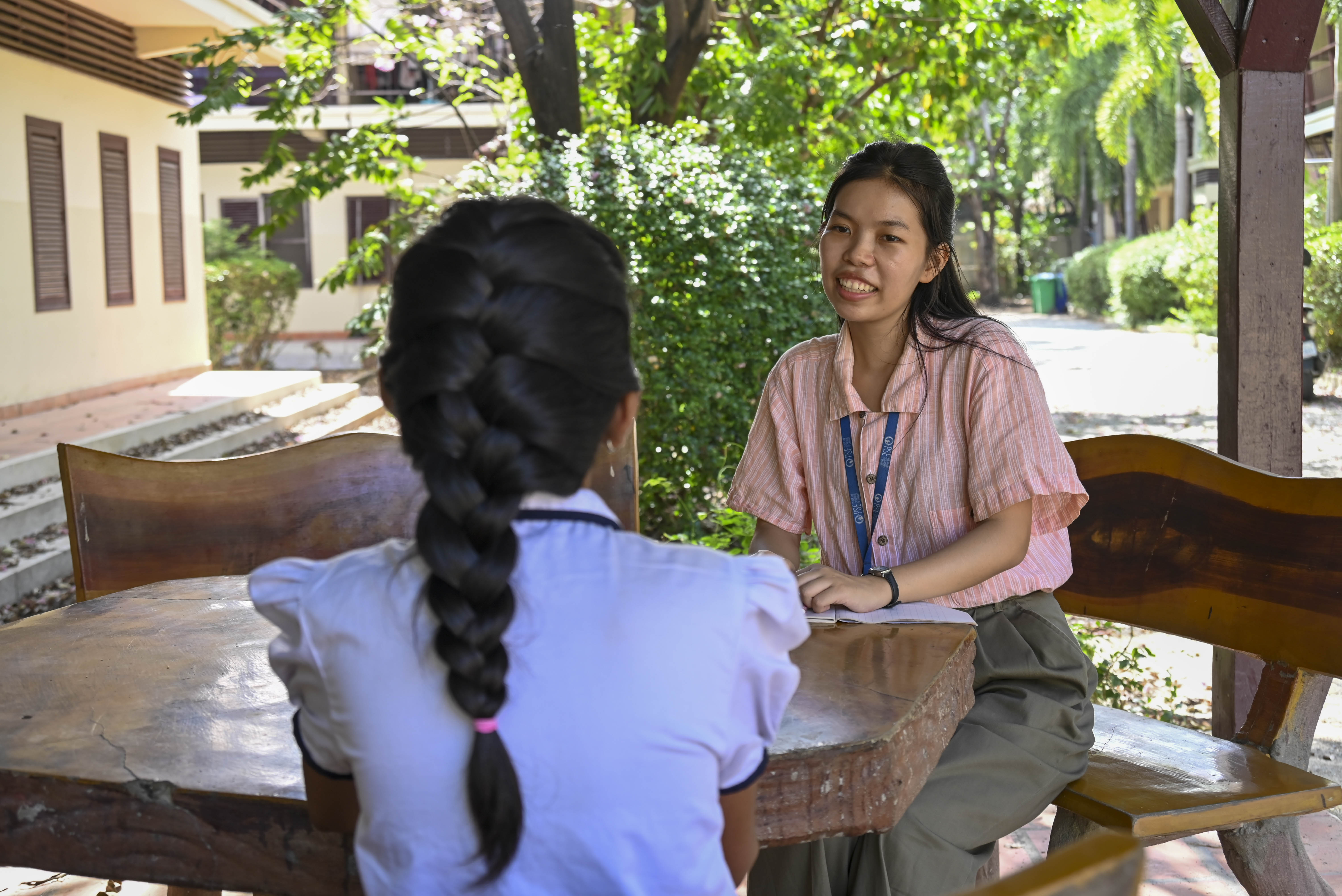
In total, 4 educators work in pairs to provide student support sessions, while also delivering training to teachers and social officers to strengthen their emotional intelligence, safe relationship building, and ability to identify and respond to students at risk of dropping out.
The team also supports prevention efforts for other students who are not necessarily yet in the program but may become at risk over time, through small-group lessons and awareness activities focused on emotional wellbeing, connection, reflection, and the importance of continuing education.
Building trust and confidence
Trying to understand what is the real reason the students want to drop out is the key to help them.
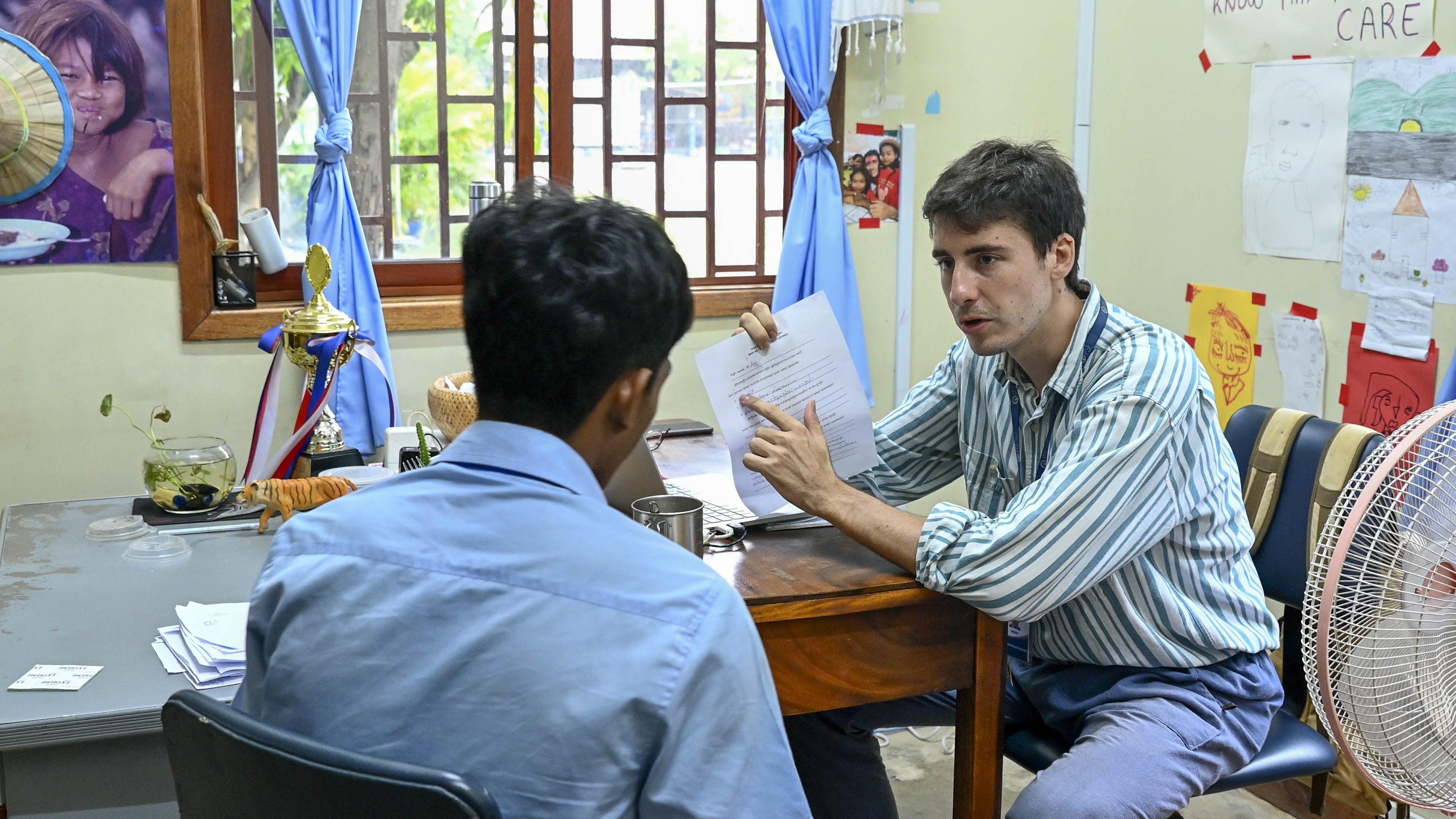
“At the beginning, the first thing that we did was just convince them to come back by giving them lessons about how important was education for them, and how much money they were going to get. And we realized that it worked in a very short time, and several days after these sessions, they drop out again, so this was not working. We wondered what do we need to do before this? We realized from trial and error that there we were not really understanding what was the problem.” Fernando Restoy, Manager of Entre-Deux
While looking for ways to understand students more deeply, the educators realized that many students were not sharing enough information, largely because they did not yet know or trust them, and were not always sure that adults genuinely cared about their wellbeing.
So the very first step of this program is to build trust, get to know students better, and spend time with them so they can feel comfortable, safe, and connected.
Concretely, during the sessions, the educators:
-
Greet students warmly, create a calm and welcoming atmosphere, and encourage them to share how they feel before starting activities, without judgment.
-
Spend informal time with students during the first days of support, through conversation, games, or shared moments, in order to build connection and trust.
-
Use reflection tools and individual conversations to better understand students’ strengths, interests, personal situations, and future aspirations.
-
Invite students’ parents or caregivers, when relevant, to participate in conversations or activities that help strengthen understanding, support, and family connection.
-
Guide students through exercises and conversations designed to help them identify the reasons behind their discomfort, distress, or disengagement, with the goal of finding realistic solutions.
-
Encourage students to reflect for themselves and support them in finding healthy, practical ways to respond to their problems through open discussion and individualized guidance.
Image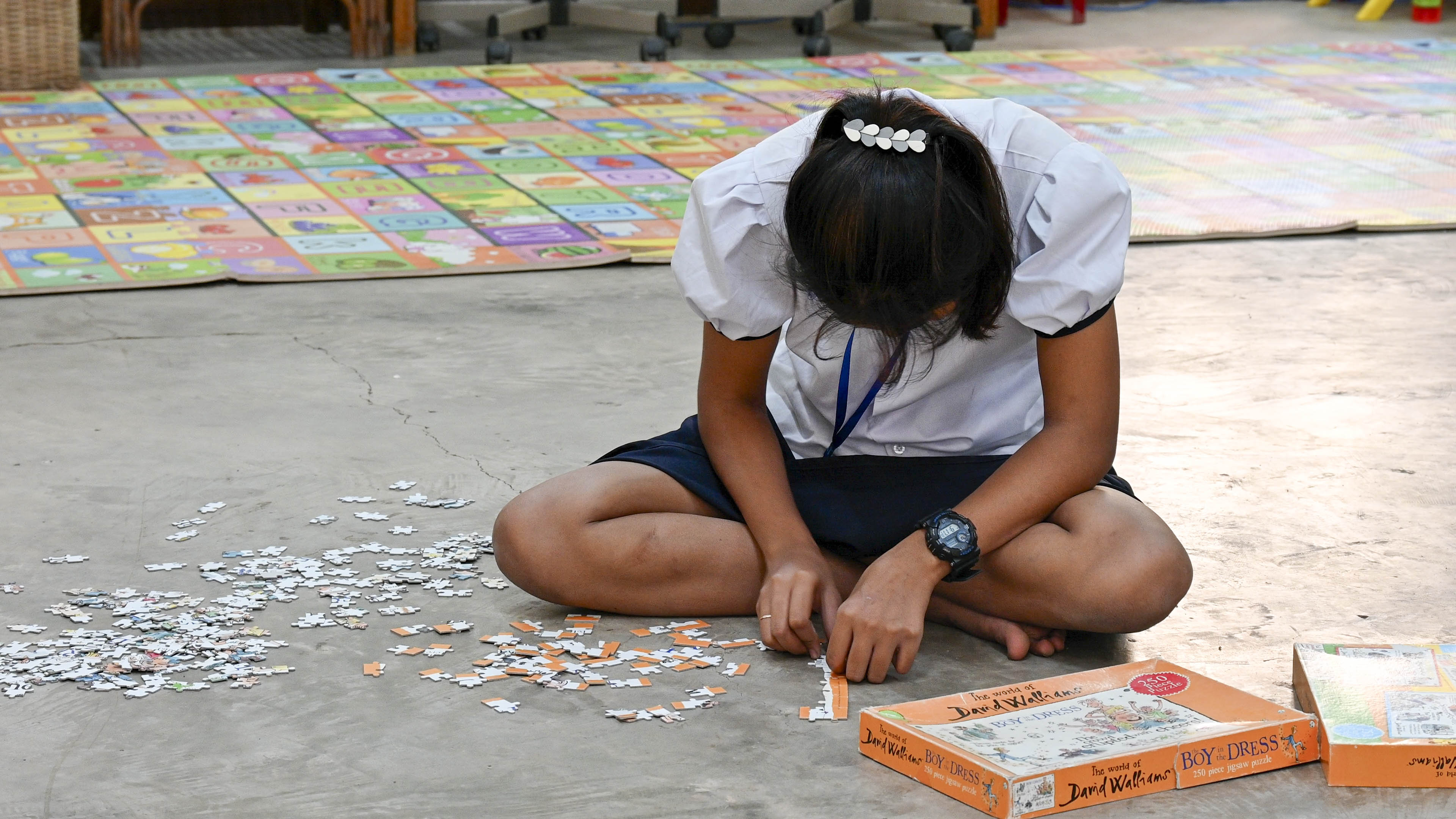
After “Entre-Deux”, adapting the follow-up to each student
After the students complete the intensive program, we continue to collaborate with the remedial school, psychology department, social department, and health care department to secure additional support. This ensures that students' needs are met, such as addressing nutritional deficiencies, improving family communication, or providing safe housing through our accommodation program.
“I remember a girl who disappeared from the school for two weeks. Thanks to the social team, we convinced her to come to our programs, and then we realized after several days with her, that she was sexually assaulted by a couple of members of her family. We talked with the social team to move her to accommodation on PSE campus. Then she started to come to school regularly and to feel better.” Fernando Restoy, Manager of Entre-Deux
Even when the students return to class, they may still have health issues, so a close follow-up can be ensured by doctors and the school to support them. In some cases, students require long-term mental health treatment. This is why these cases are followed by the psychology department to provide ongoing support and care for the student.
“There was a boy who was addicted to drugs. We helped him receive a support from a specialized NGO, and after two months, he seems fine now, he seems free of drugs and is back to school every day.” Fernando Restoy, Manager of Entre-Deux
After the students complete the dropout program, if they still face the same issues, Entre-Deux team will continue to work with the student affairs services to re-enroll them in the program.
Image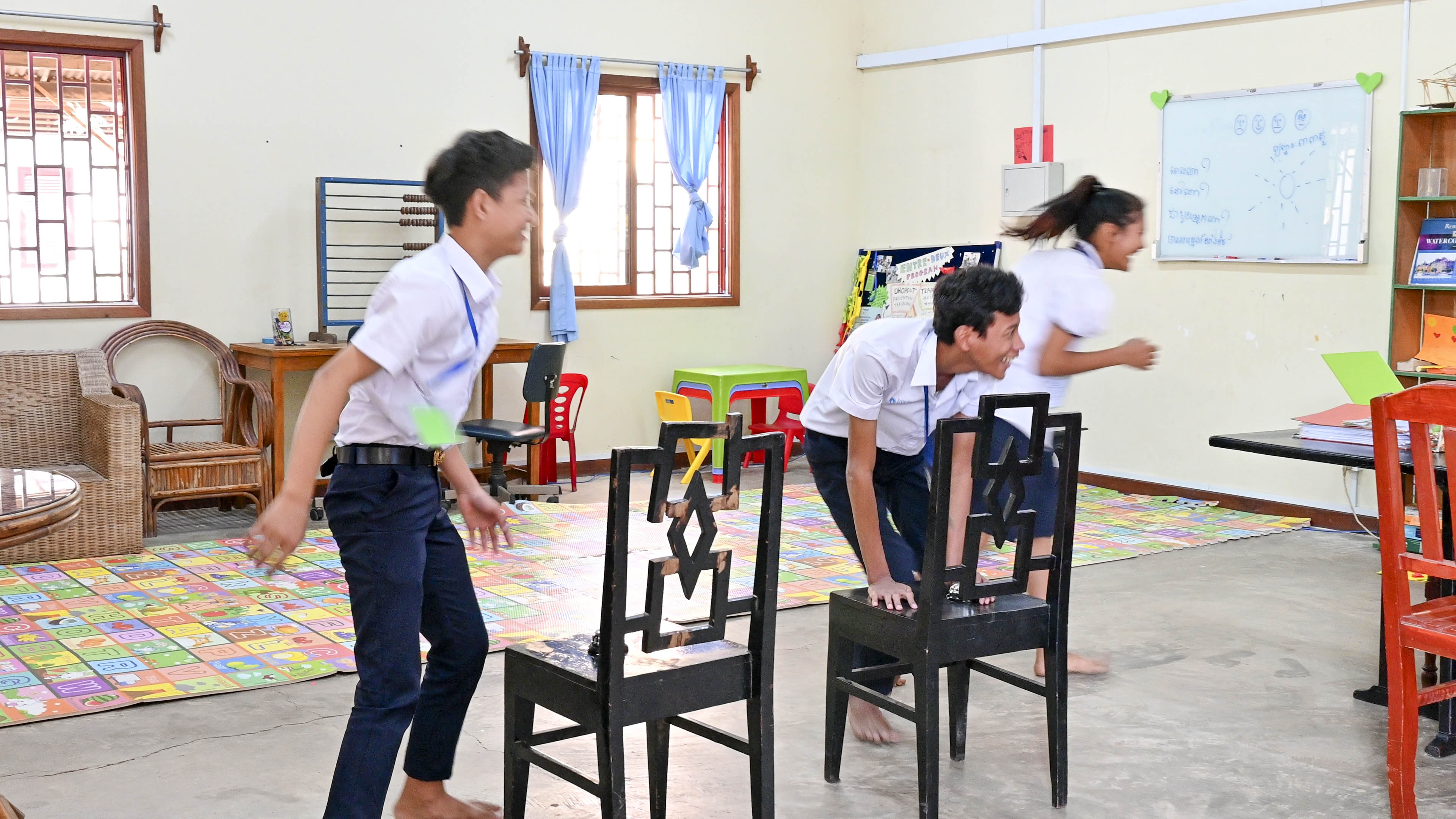
The essential support of the relatives
Parents are often invited to attend the sessions.
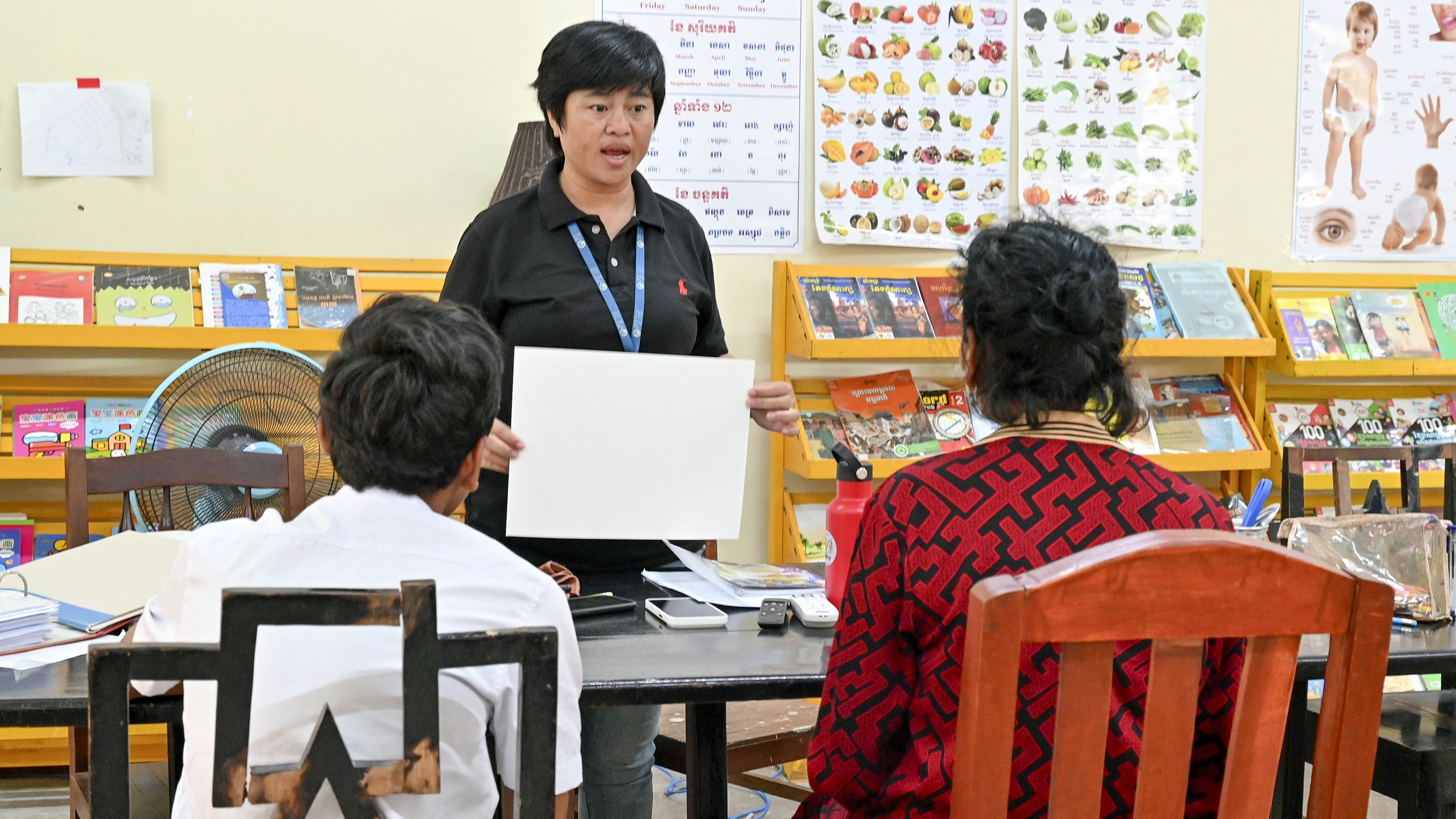
“We strongly need the parents or guardian's support to understand the real problem. If the guardian does not join the session, it is very difficult for us to change their mindset. Because our students need love, support, and understanding, once we establish a real connection with them, it is easy for them to open up to us and revisit our dropout program if something happens in the future.” Sokunthea Chan, Educator at Entre-Deux
Some students require more care and attention than others, and the aim of this program is to treat all the students equally, and offer them the same chances to feel better, with the support of their family for a sustainable impact.
Unfortunately, some parents are unwilling to join or are too busy with their jobs and do not want to return to the session. For absent parents, the social team can get involved to try to keep the contact with the family and have them joining the sessions. And in special case such as sickness or distance, Entre-Deux team will meet them at home to conduct the session.
Image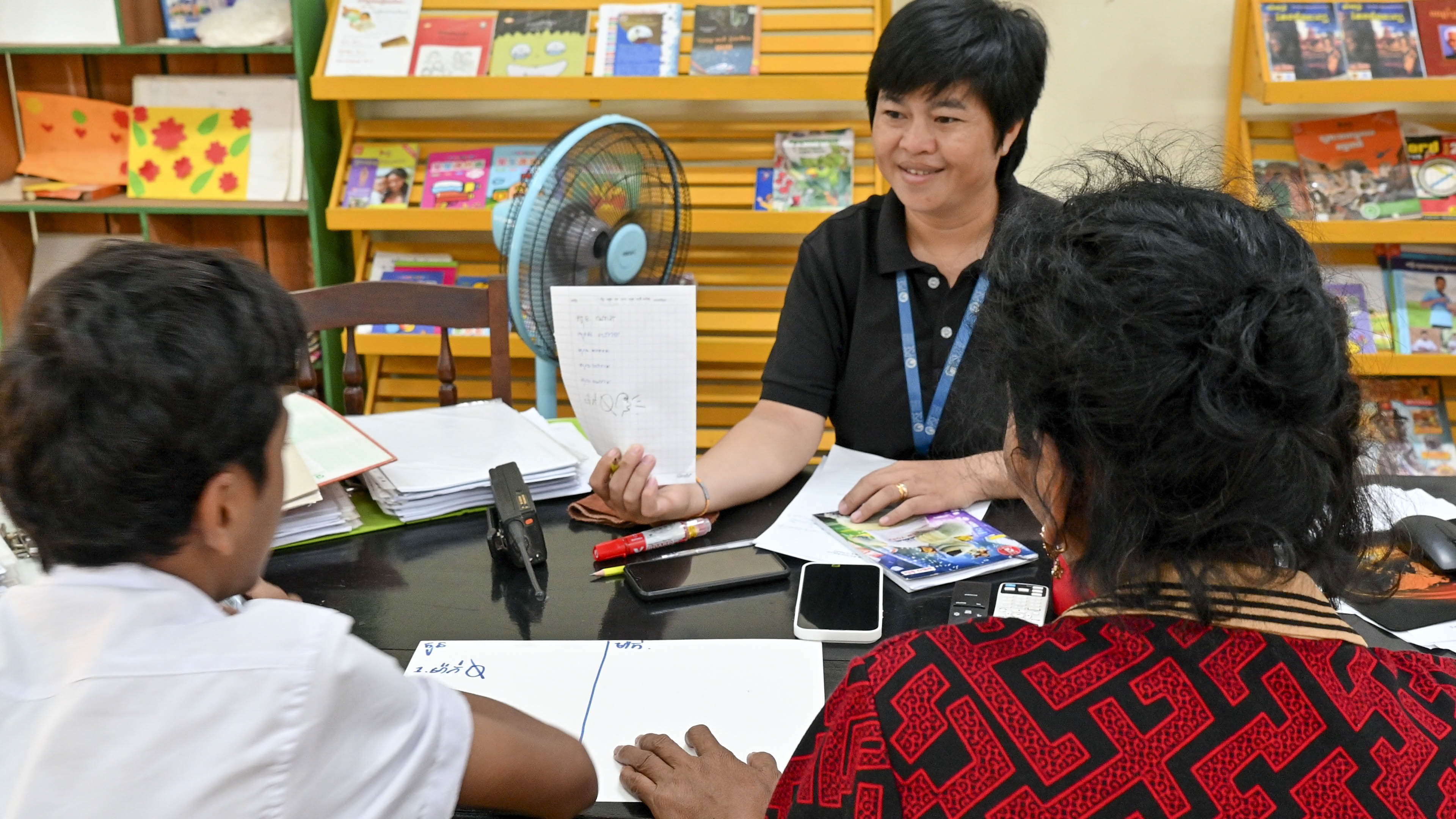
And for the future… spreading the change
Over three years, through structured screening, risk triage, and close coordination with families, teachers, and school leadership, the team supported more than 450 children facing protection and educational risks, and responded to over 300 cases involving bullying, family conflict, domestic violence, and sexual abuse, providing timely support, referrals, and follow-up.
Although the situation has improved significantly, dropout has not been eliminated, which is why early identification and prevention remain essential. Over the past three years, dropout in PSE’s largest school has decreased from around 14% to around 10%.
An early-intervention pilot-model has been designed for low-risk students before concerns escalated, combining structured check-ins, rapid case classification, and coordinated emotional intelligence & relationship-based support. The model achieved almost 99% retention, compared with 95% in non-pilot classes.
As this model will be adopted school-wide for next year, the global philosophy of the “Entre-Deux” program could be integrated more broadly across PSE’s education system. This would help strengthen early identification, emotional support, coordination, and prevention at a whole-school level.
“Some students are missing deep connection with adults. And when they don't have it at home, PSE needs to become their emotional, safe space.” Fernando Restoy, Manager of Entre-Deux